


 English
 Spanish
 French
 German
 Italian
 Chinese (Simplified)
 Japanese
 Korean
 Arabic
 Portuguese
Call us now
08045814611
Wet Scrubber
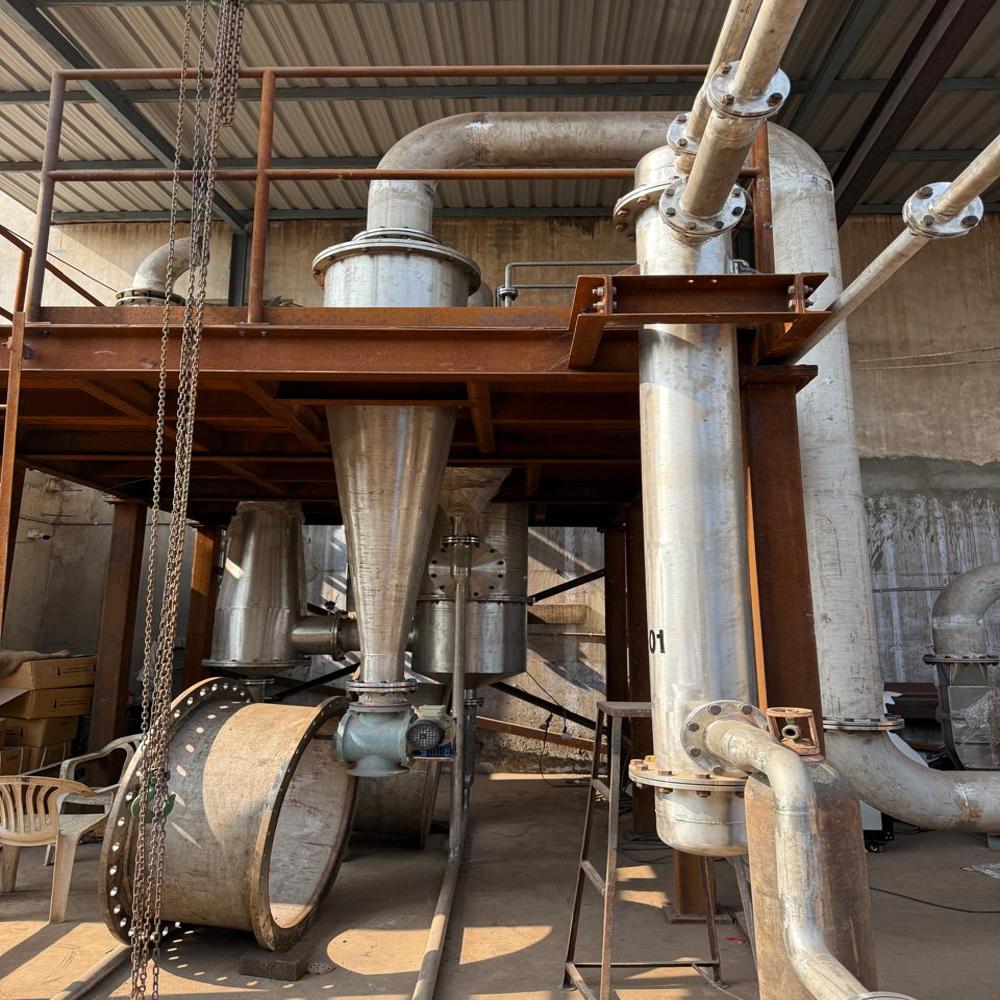
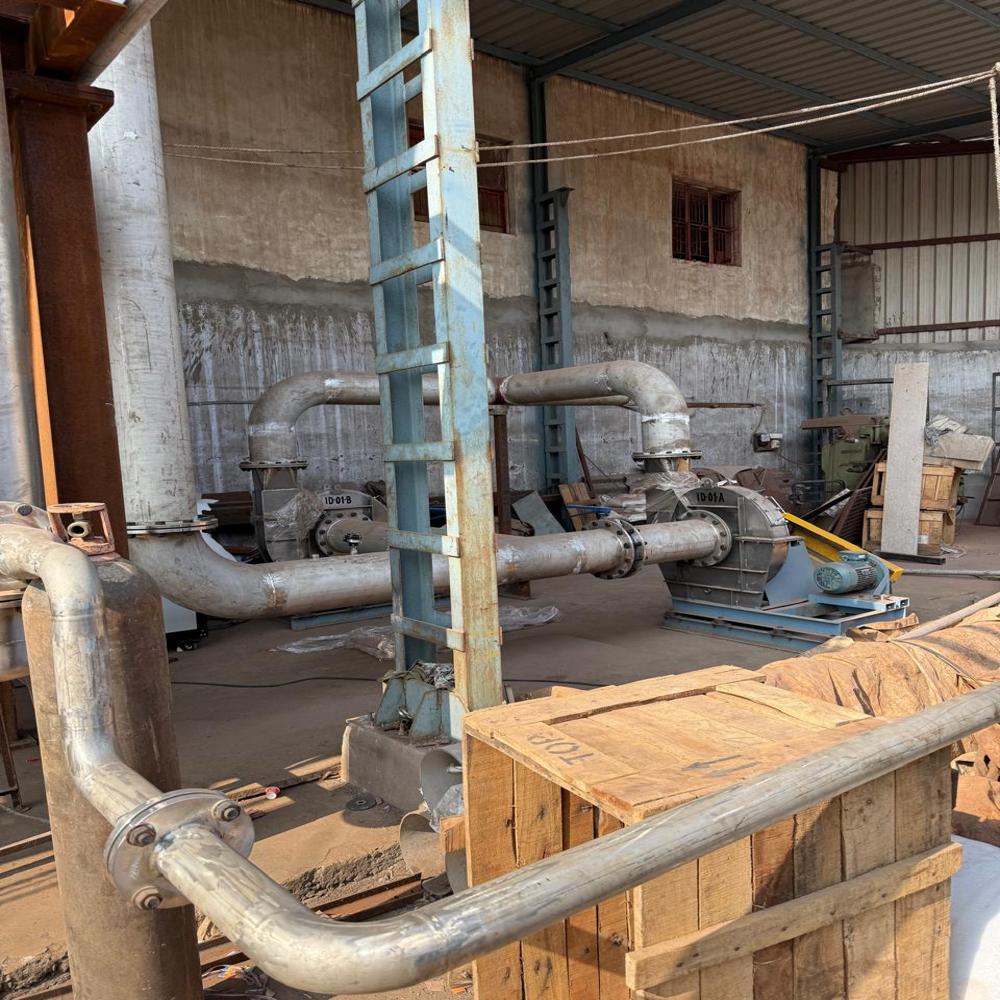
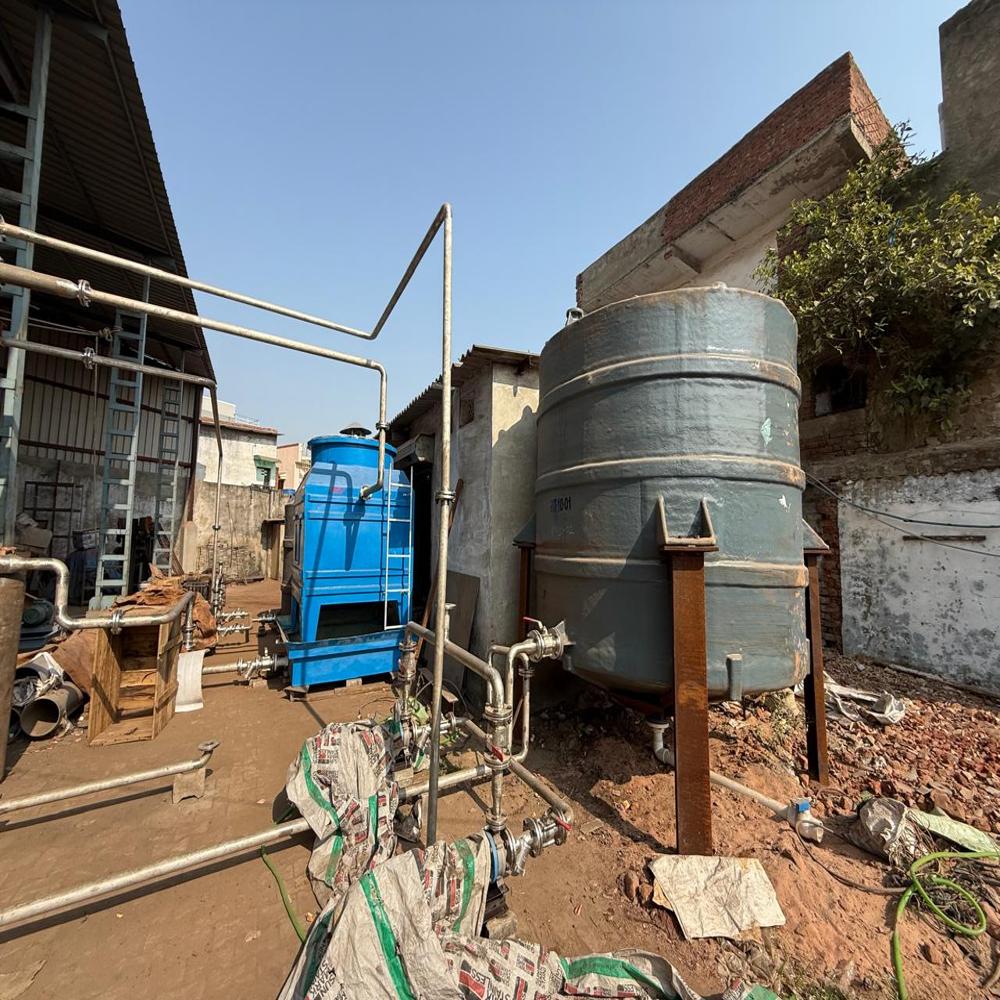
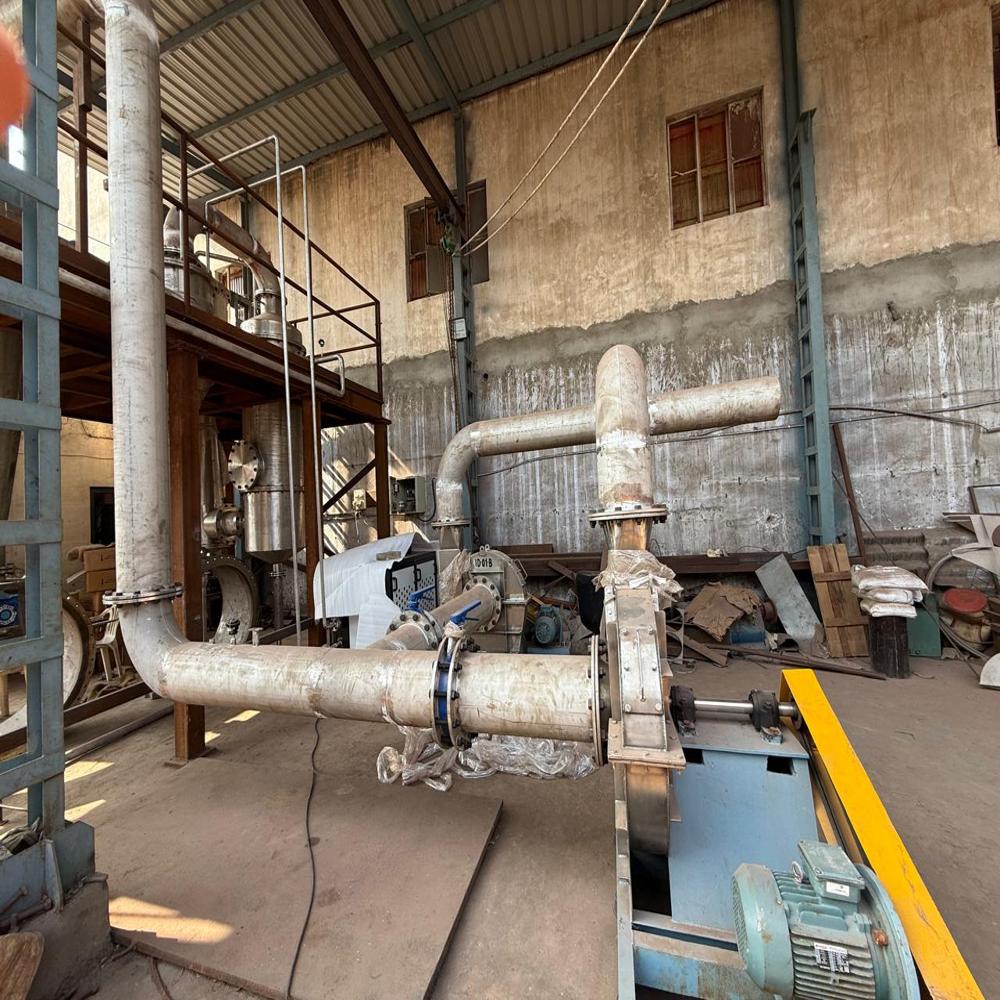
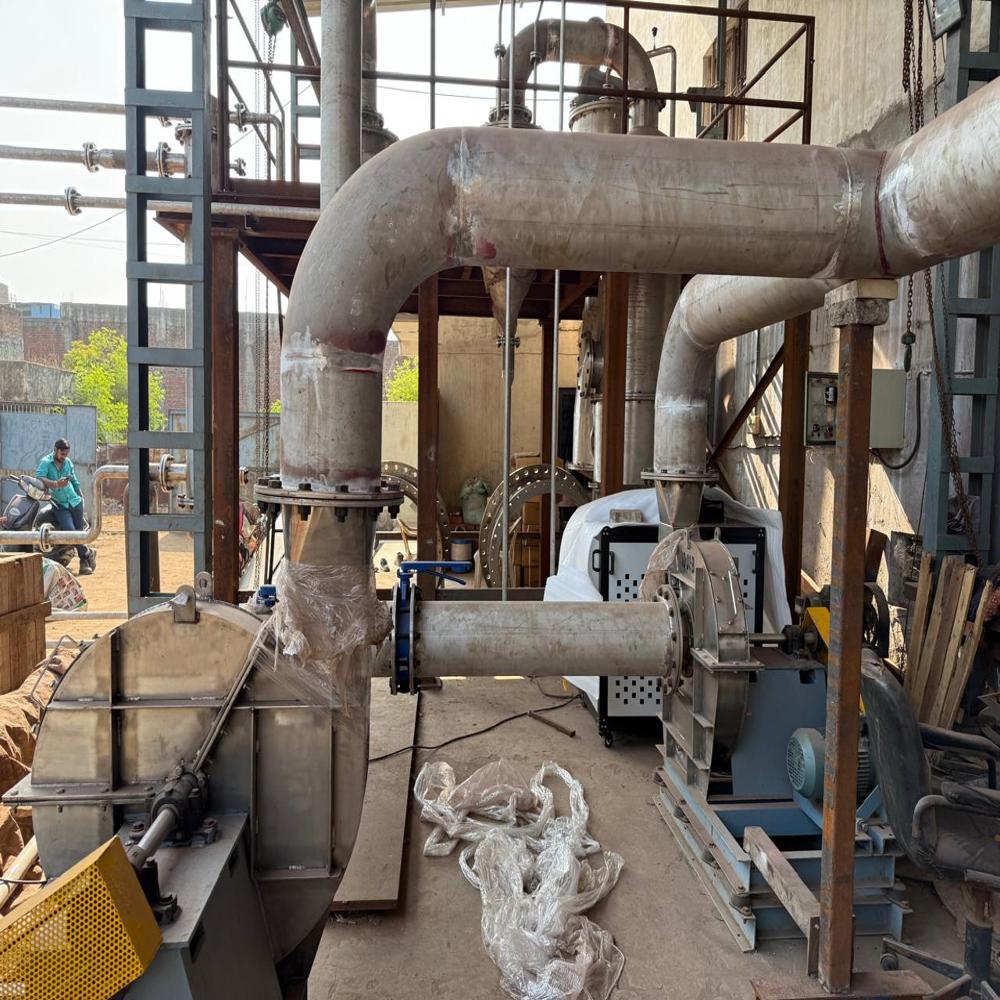
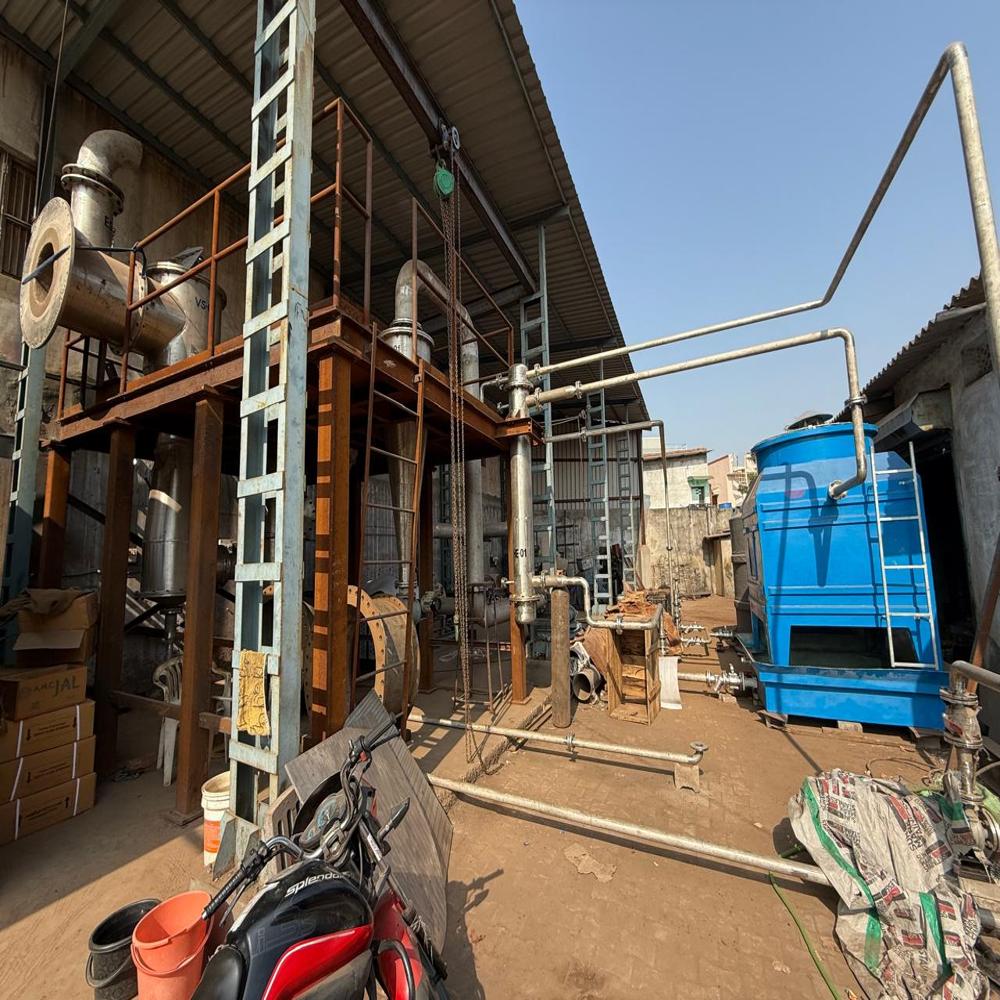

Wet Scrubber Specification
- Scrubber Type
- WET
- Power Source
- ELECTRIC
- Automation Grade
- FULLY AUTOMATIC
- Efficiency
- 95
- Temperature
- 600 Celsius (oC)
- Usage & Applications
- Chemical & pharmaceutical industries - Incinerators and furnaces - Acid mist and VOC control - Food processing and dye manufacturing - Hazardous waste treatment plants Advantages:
- Air Flow
- 5000 ft3/min (CFM)
- Product Type
- Wet Scrubber System Industrial Air Pollution Control
- Material
- SS316
- Cooling System
- Water Cooling
- Noise Level
- 90 db
- Reactor Thickness
- 6 Millimeter (mm)
- Processing Time
- 1 Hours
- Capacity
- 200 Kg/hr
- Voltage
- 240 Volt (v)
- Weight
- 200 Kilograms (kg)
- Dimension (L*W*H)
- 20*20*20 Inch (in)
- Warranty
- 1YEAR
Wet Scrubber Trade Information
- Minimum Order Quantity
- 1 Unit
- FOB Port
- AHMEDABAD
- Payment Terms
- Cash Against Delivery (CAD)
- Supply Ability
- 1 Unit Per Week
- Delivery Time
- 7 Days
- Sample Available
- No
- Sample Policy
- Contact us for information regarding our sample policy
- Main Export Market(s)
- Asia, Australia, Central America, North America, South America, Eastern Europe, Western Europe, Middle East, Africa
- Certifications
- Solid Waste Incinerator High-Efficiency Thermal Disposal System Our Solid Waste Incinerator offers a robust and eco-compliant solution for the controlled thermal treatment of non-recyclable solid waste. Engineered for consistent combustion and minimal residue, it integrates advanced air control systems and high-grade refractory linings to ensure safe, smokeless, and energy-efficient operation. Technical Highlights: Chamber Construction: Fabricated with mild steel body and insulated with ceramic/refractory bricks for high-temperature containment Burning Capacity: Available in capacities ranging from 25 kg/hr to 500 kg/hr based on user requirement Dual-Chamber Design: Primary and secondary chambers for complete combustion and flue gas treatment Emission Control: Optional wet scrubber or dry filtration system to manage particulate and gaseous emissions Temperature Range: Operates between 850 C to 1100 C for optimal solid waste destruction Efficient Loading & Ash Removal: Manual or hydraulic loading options with safe ash discharge system Ideal For: Industrial waste disposal Medical and biohazard waste management Municipality and institutional waste treatment
Wet Scrubber About
Wet Scrubber System Industrial Air Pollution Control
Overview:
A Wet Scrubber is an advanced air pollution control device designed to remove particulate matter, acidic gases, and chemical vapors from industrial exhaust streams. It operates by bringing polluted gas into contact with a scrubbing liquidtypically water or a chemical solutionneutralizing contaminants through absorption and impaction.
Key Features:
- Scrubbing Mechanism: Utilizes liquid media to capture and neutralize harmful pollutants
- Construction Material: Available in SS304, SS316, FRP, PP, or MSRL depending on chemical compatibility
- Flow Capacity: Customizable from 500 m/hr to 50,000+ m/hr
- Liquid Distribution: High-efficiency spray nozzles or packed bed for uniform contact
- Mist Eliminator: Integrated demister pad or baffle system to prevent carryover
- Pump & Recirculation: Centrifugal pump with corrosion-resistant internals for continuous operation
- Control Panel: Optional PLC-based automation with real-time monitoring of pH, flow rate, and pressure drop
Performance Parameters:
Applications:
- Chemical & pharmaceutical industries
- Incinerators and furnaces
- Acid mist and VOC control
- Food processing and dye manufacturing
- Hazardous waste treatment plants
Advantages:
- High removal efficiency for both gases and particulates
- Compact design with low maintenance
- Customizable for specific pollutants and flow rates
- Suitable for corrosive and high-temperature environments
Robust Construction and Safety
Engineered with a 6 mm-thick SS316 reactor, this wet scrubber withstands corrosive agents and high temperatures up to 600C. The stainless steel construction ensures durability and resistance to chemical attack, making it ideal for hazardous waste treatment plants and demanding process industries.
Exceptional Filtration and Efficiency
With a 95% pollutant removal efficiency, the wet scrubber excels at eliminating airborne contaminants, including acid mists and VOCs. Operating at 5,000 CFM, it is suited for chemical manufacturing, dye plants, and pharmaceutical production, where clean air and regulatory compliance are paramount.
Automated Performance with User Convenience
The fully automatic control system streamlines operation, requiring minimal manual intervention. The integrated water cooling system maintains unit stability at high temperatures, while noise levels of 90 dB and compact design ensure the system remains unobtrusive and effective within industrial settings.
FAQs of Wet Scrubber:
Q: How does the wet scrubber system operate for air pollution control?
A: The wet scrubber uses water to capture and neutralize contaminants from industrial exhaust streams. Polluted airflow passes through the SS316 reactor chamber, where water sprays absorb particulates, acid mists, and VOCs, achieving up to 95% removal efficiency.Q: What types of industries can benefit from this wet scrubber?
A: This scrubber is ideal for chemical and pharmaceutical plants, incinerator and furnace exhaust, food processing and dye manufacturing, as well as hazardous waste treatment facilities seeking reliable pollutant mitigation.Q: When should regular maintenance be performed for optimal performance?
A: Routine checks are recommended monthly to ensure the water cooling system, filters, and automation components function properly, given its high-efficiency and 1-hour processing time capabilities.Q: Where can this wet scrubber be installed within an industrial facility?
A: Thanks to its compact 20x20x20 inch size and robust electric-powered design, the wet scrubber can be placed near exhaust points, within processing units, or as a terminal air treatment step in various industrial setups.Q: What is the typical installation process for this fully automatic scrubber?
A: Installation involves securing the unit at the emission source, connecting to exhaust ducts, water supply, and electric power (240V). The automation system allows for straightforward setup, minimizing downtime and labor requirements.Q: How does the water cooling system enhance the scrubbers operation?
A: The integrated water cooling system manages reactor temperatures up to 600C, ensuring efficient pollutant capture, preventing overheating, and prolonging the lifespan of critical components.Q: What are the primary benefits of using this wet scrubber in industrial applications?
A: Benefits include high removal efficiency of hazardous pollutants, energy-efficient electric operation, minimal manual oversight due to automation, robust corrosion-resistant construction, and compliance with air quality regulations.Tell us about your requirement

Price:
Quantity
Select Unit
- 50
- 100
- 200
- 250
- 500
- 1000+
Additional detail
Mobile number
Email

More Products in Pollution Control Equipment Category
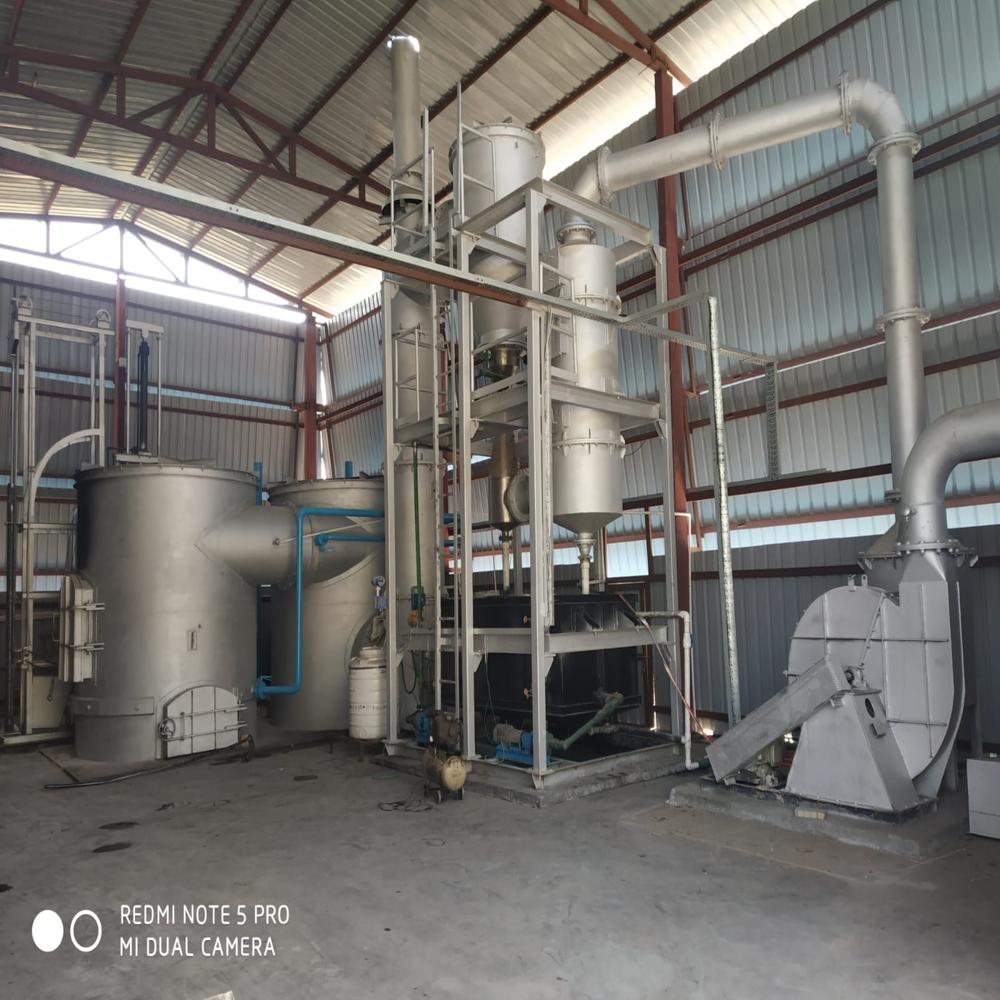
Solid Waste Incinerator
Price 1.0 INR / Unit
Minimum Order Quantity : 1 Unit
Warranty : 1YEAR
Voltage : 240 Volt (v)
Power Source : ELECTRIC
Efficiency : 95
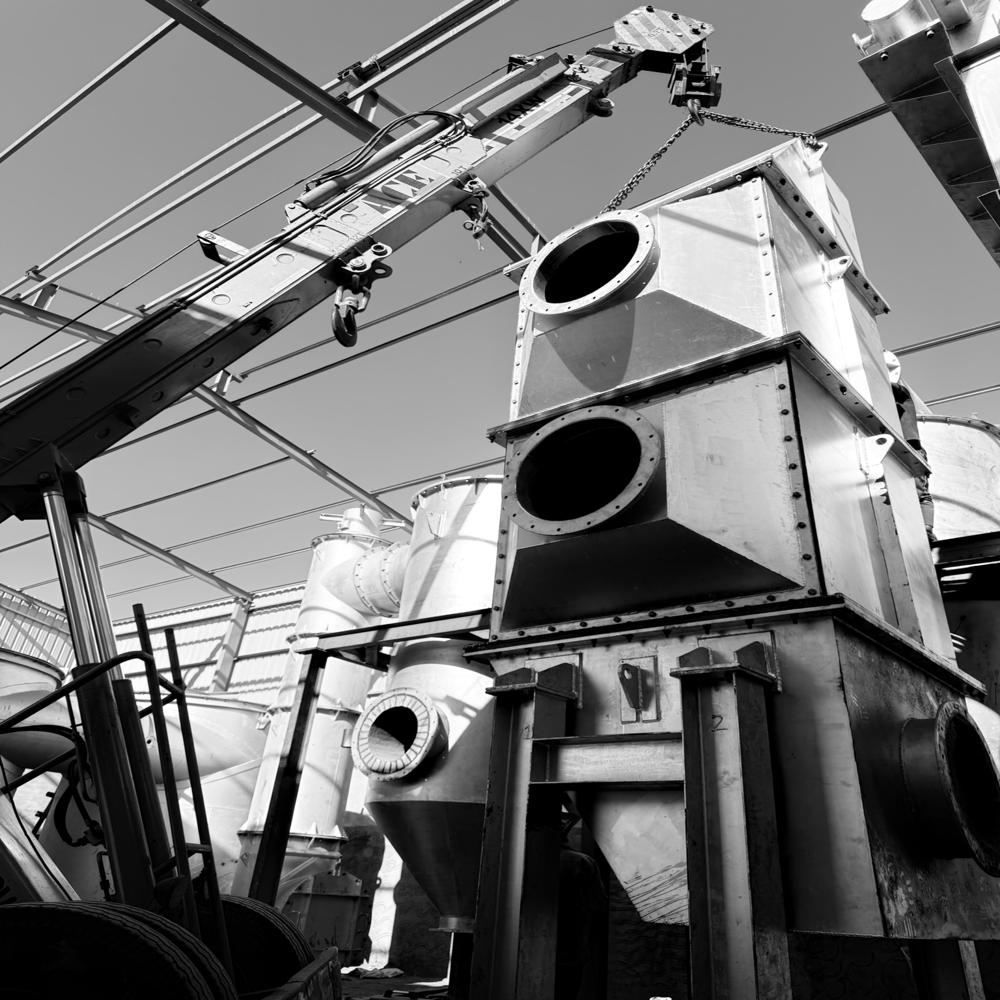
Dry Scrubber
Minimum Order Quantity : 1 Unit
Warranty : 1YEAR
Voltage : 240 Volt (v)
Power Source : ELECTRIC
Efficiency : 95
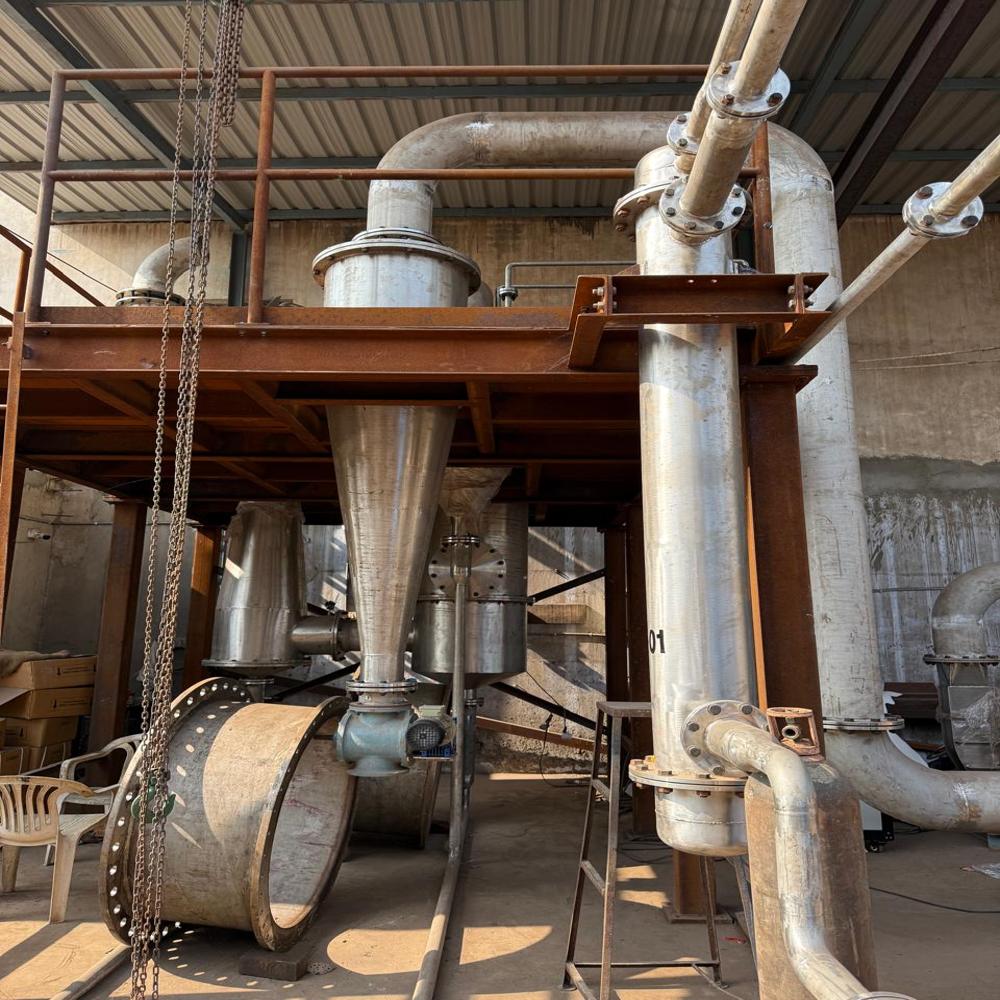
Venturi Scrubbers
Minimum Order Quantity : 1 Unit
Warranty : 1YEAR
Voltage : 240 Volt (v)
Power Source : ELECTRIC
Efficiency : 95
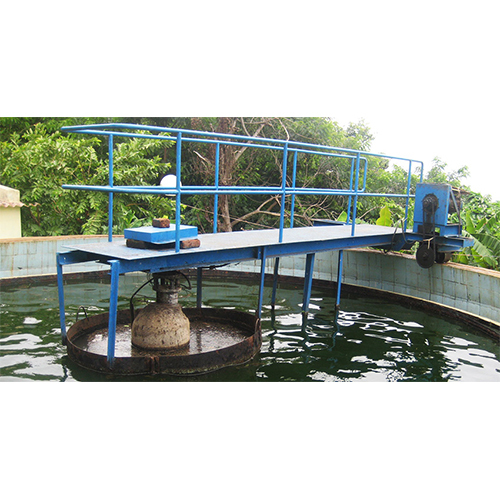
Clarifiers And Clariflocculators
Price 1.0 INR / Unit
Minimum Order Quantity : 1 Unit
Warranty : 1 Year
Voltage : 440 Volt (v)
Power Source : Electric
Efficiency : 99%

GOPINATH ENTERPRISE
GST : 24ABCFG1784A1ZV
GST : 24ABCFG1784A1ZV
B No 91, Gidc Vatva, Vatva Gidc to Punit Nagar Rly Crossing Road,Ahmedabad - 382445, Gujarat, India
Phone :08045814611
 Send Inquiry
 Send Inquiry
 Send SMS
 Call Me Free
GOPINATH ENTERPRISE
All Rights Reserved.(Terms of Use)
Developed and Managed by Infocom Network Private Limited.
Developed and Managed by Infocom Network Private Limited.

